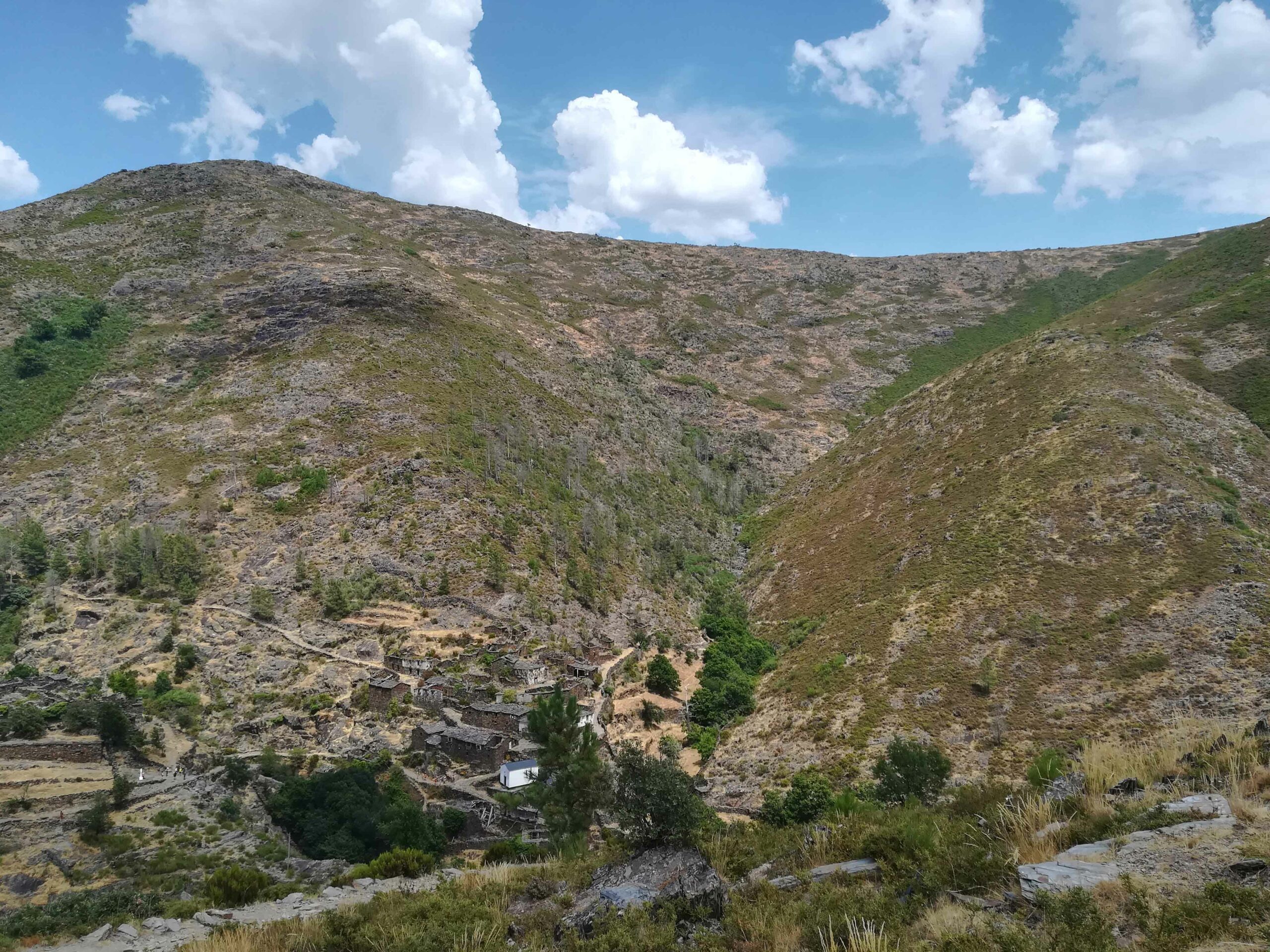
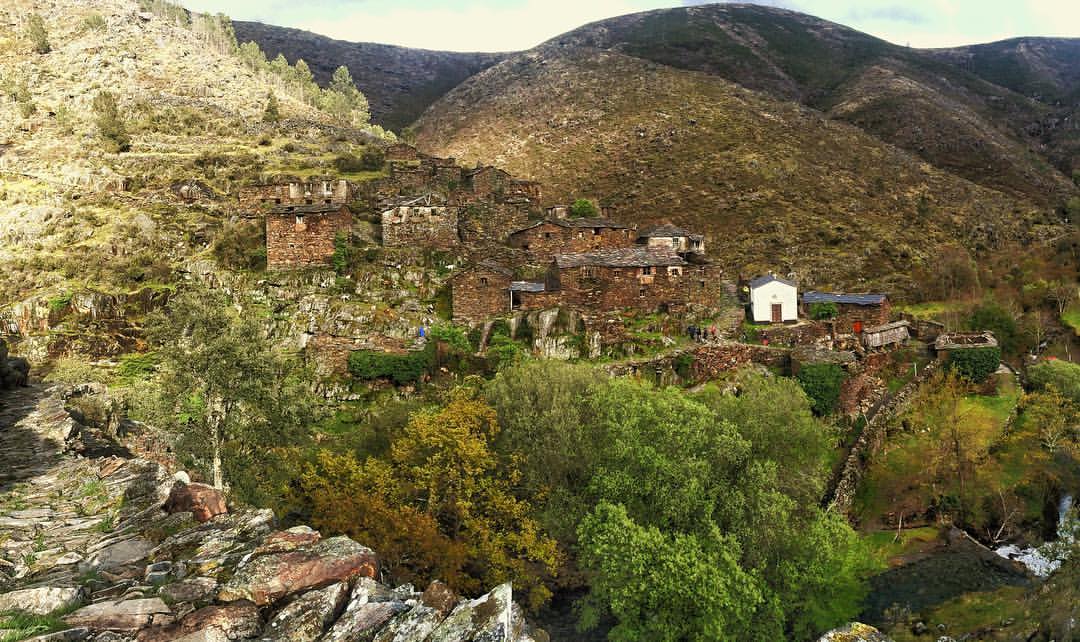
Drave is an uninhabited village situated in a hollow between the Freita, São Macário, and Arada mountain ranges. It is integrated into the Arouca Geopark and located in the Union of Parishes of Covelo de Paivó and Janarde, Municipality of Arouca, District of Aveiro, and Diocese of Viseu.
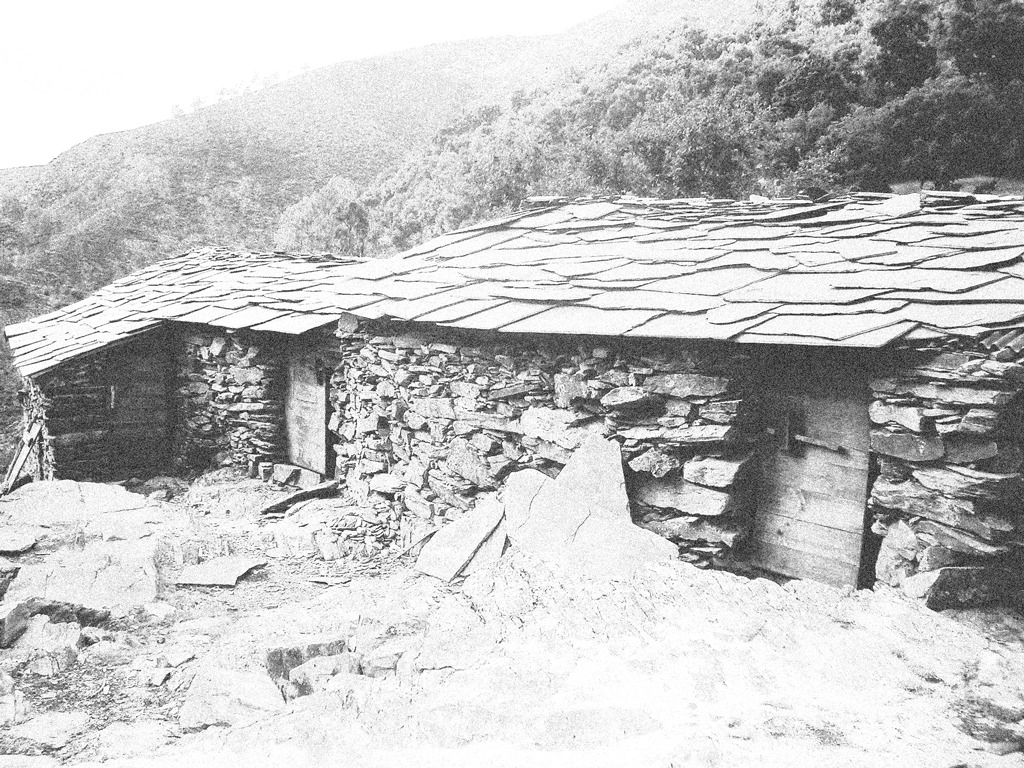
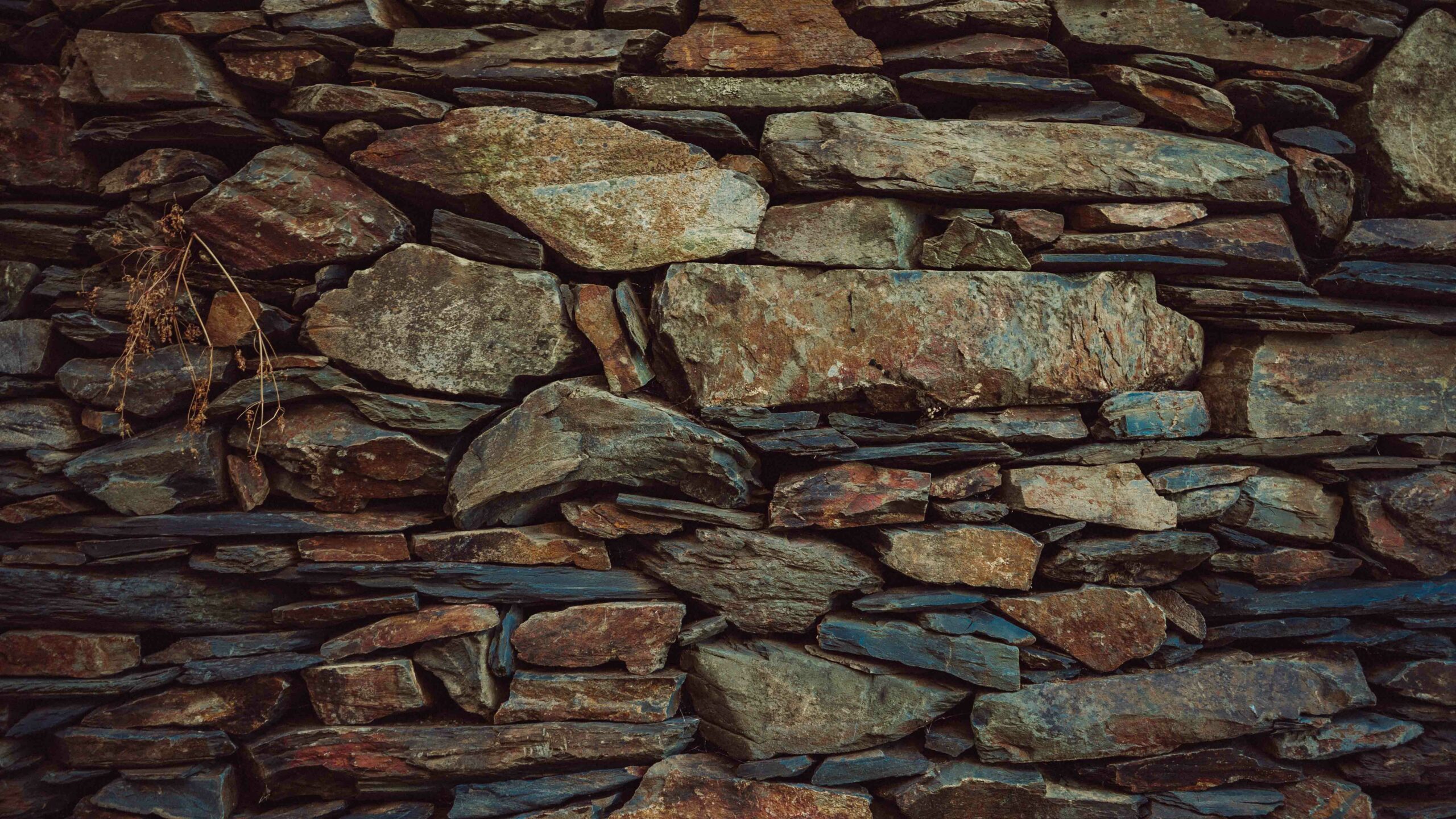
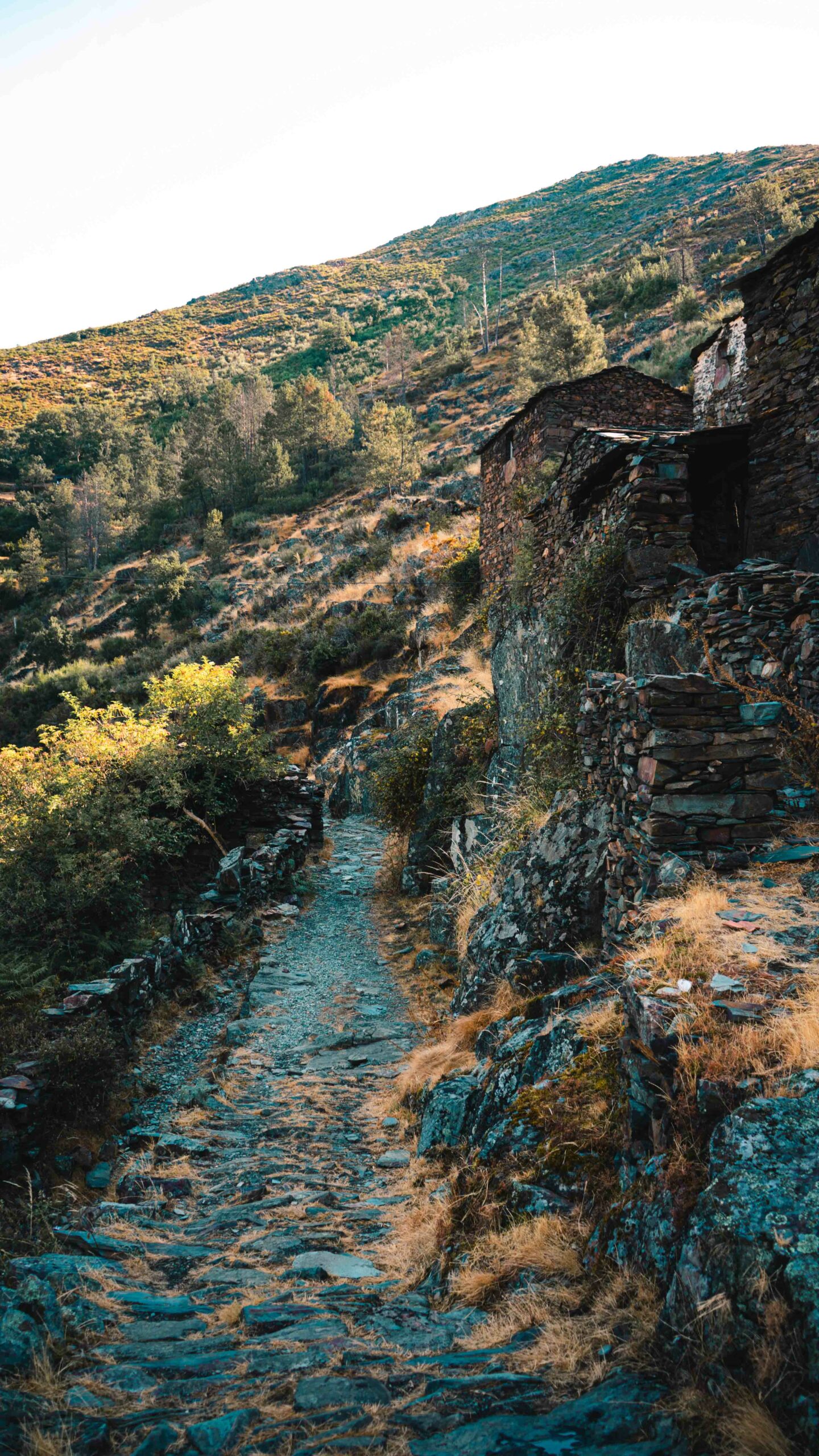
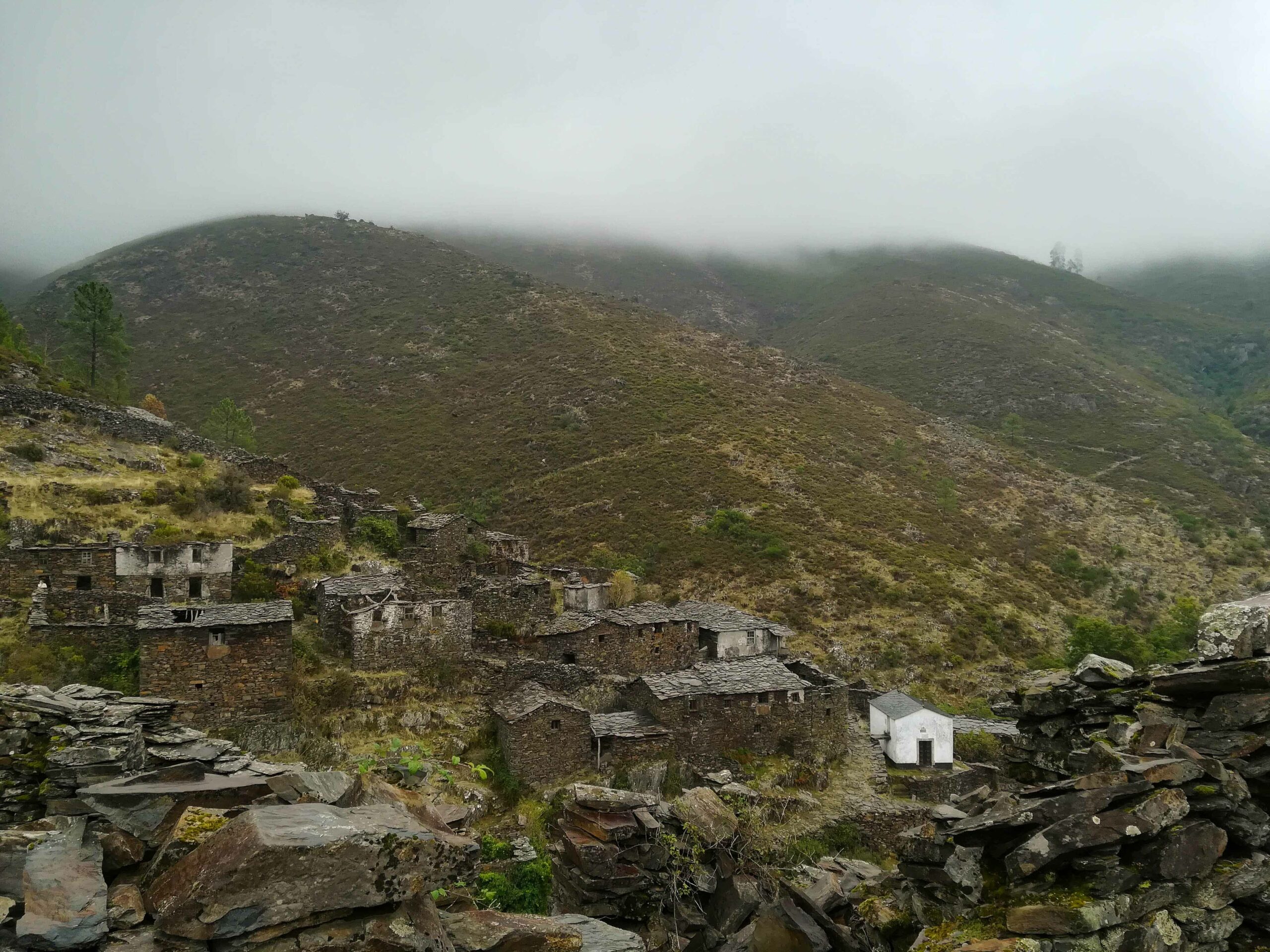
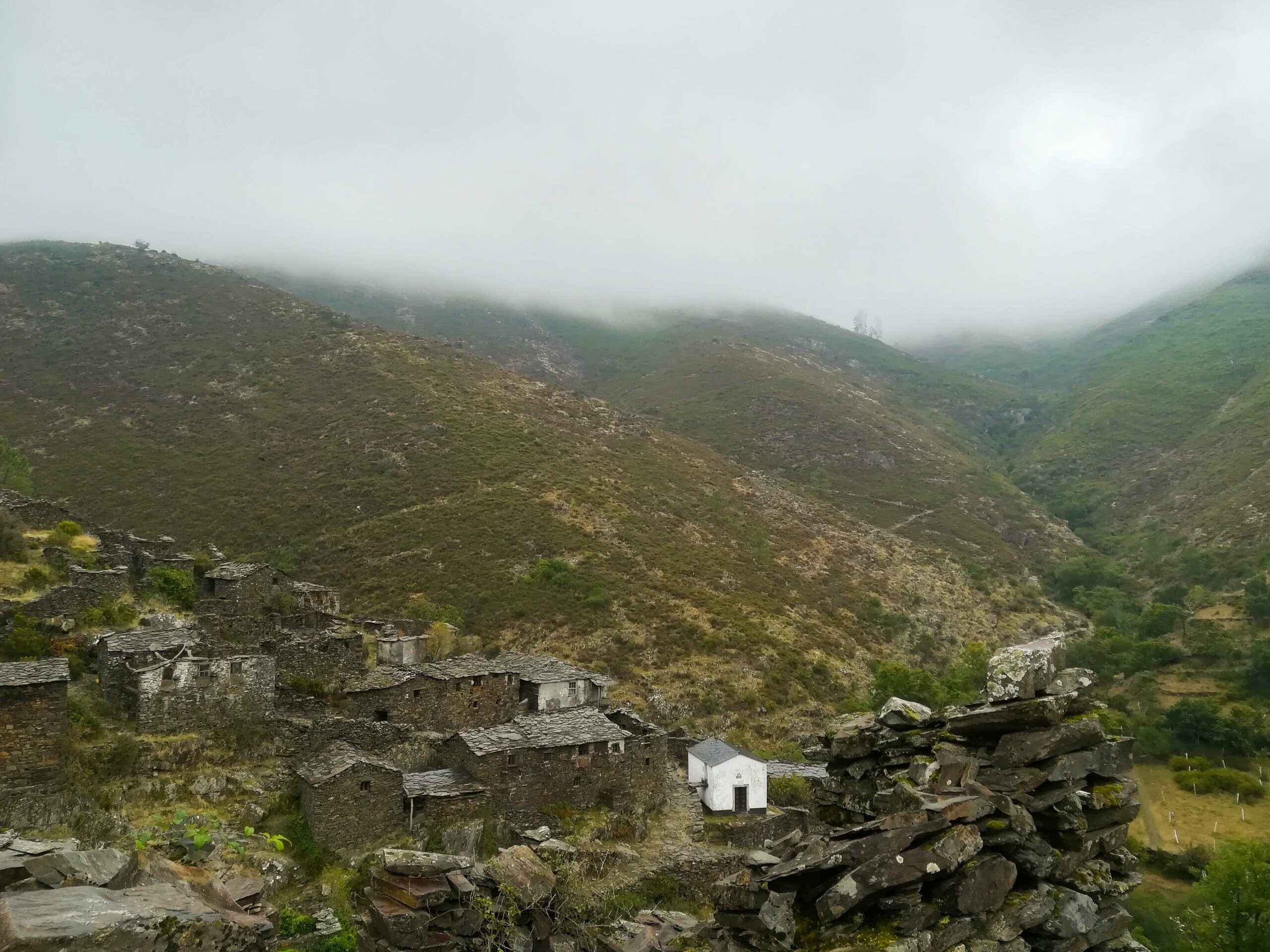
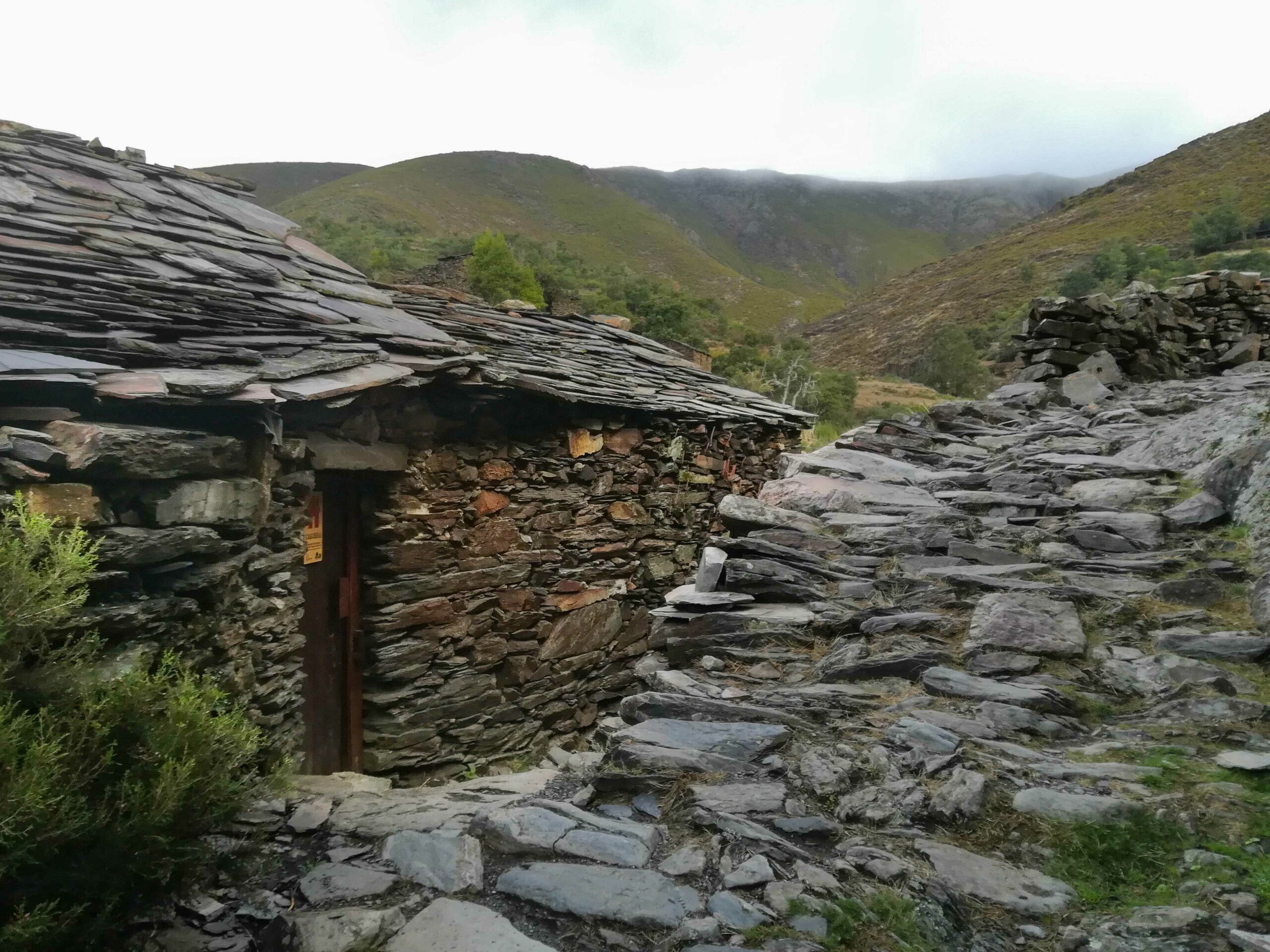
It is a typical village, where the houses are made of stone—known as lousinha—and roofed with schist. The streets are irregular.
The village is very isolated and without signs of modernity: it is not accessible by car, and the nearest village, Regoufe, is 4 km away. It has no electricity, piped water, sanitation, gas, mail, telephone, and mobile network coverage is scarce. There are also no shops, making money useless. There aren’t even clocks in the village.
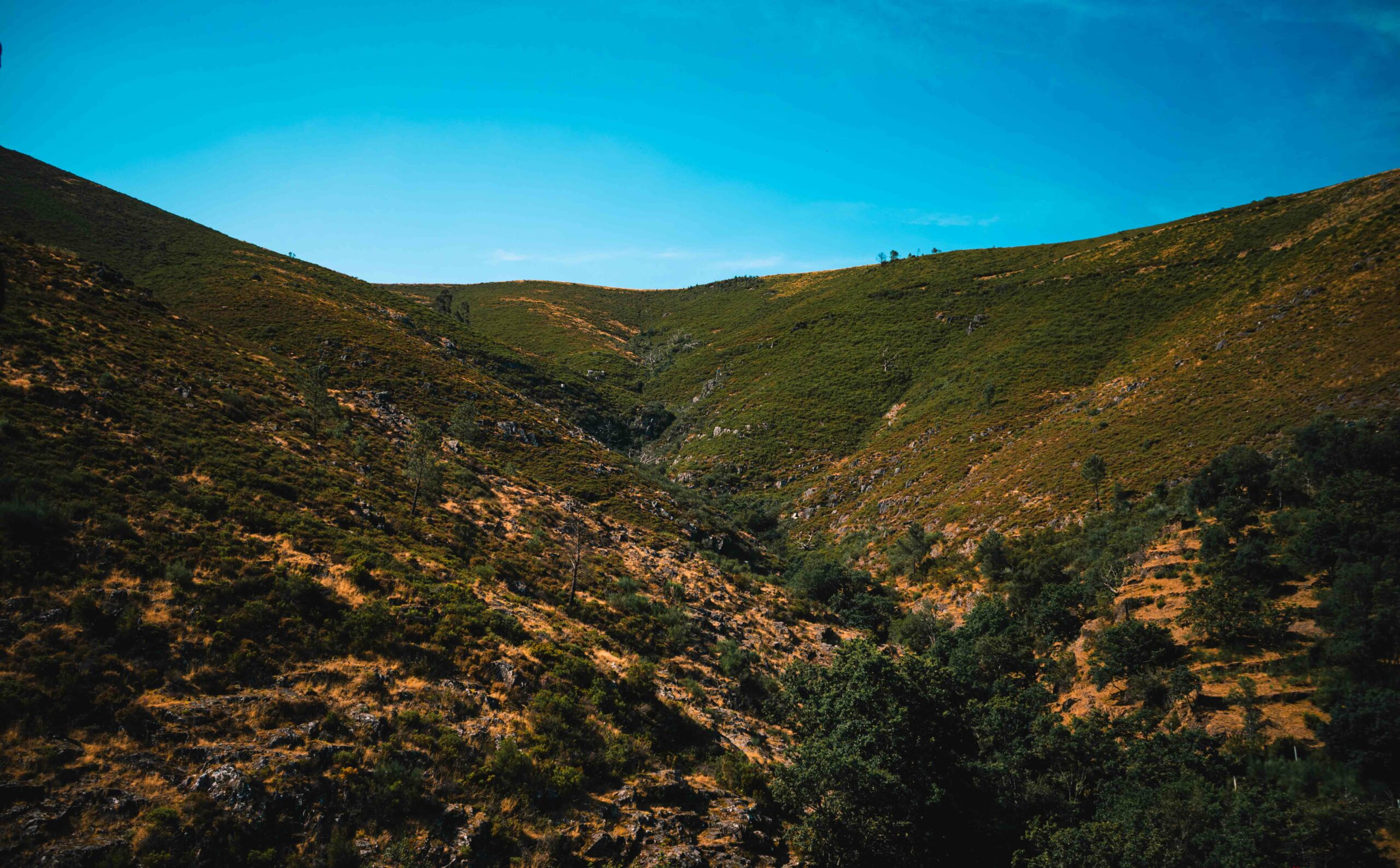
Drave is located at the center of the mountainous formation once known as Monte Fuste, which divides the Douro and Vouga river basins. This formation is bounded to the north by the Arda River, to the east by the Sul River, to the south by the Vouga River, and to the west by the Paiva River. The abrupt escarpments reveal surface outcrops of granite or schist, characteristic of the area.
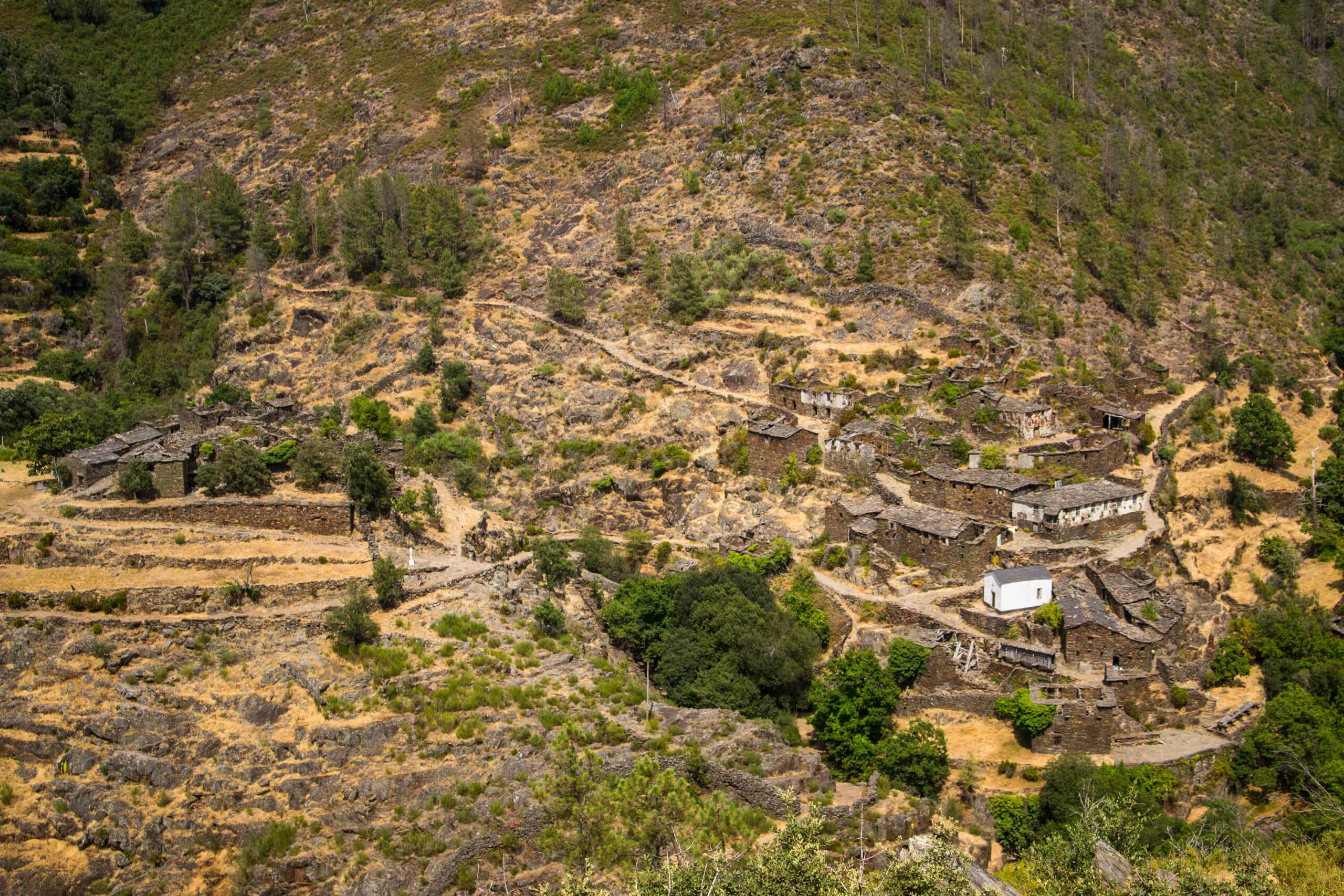
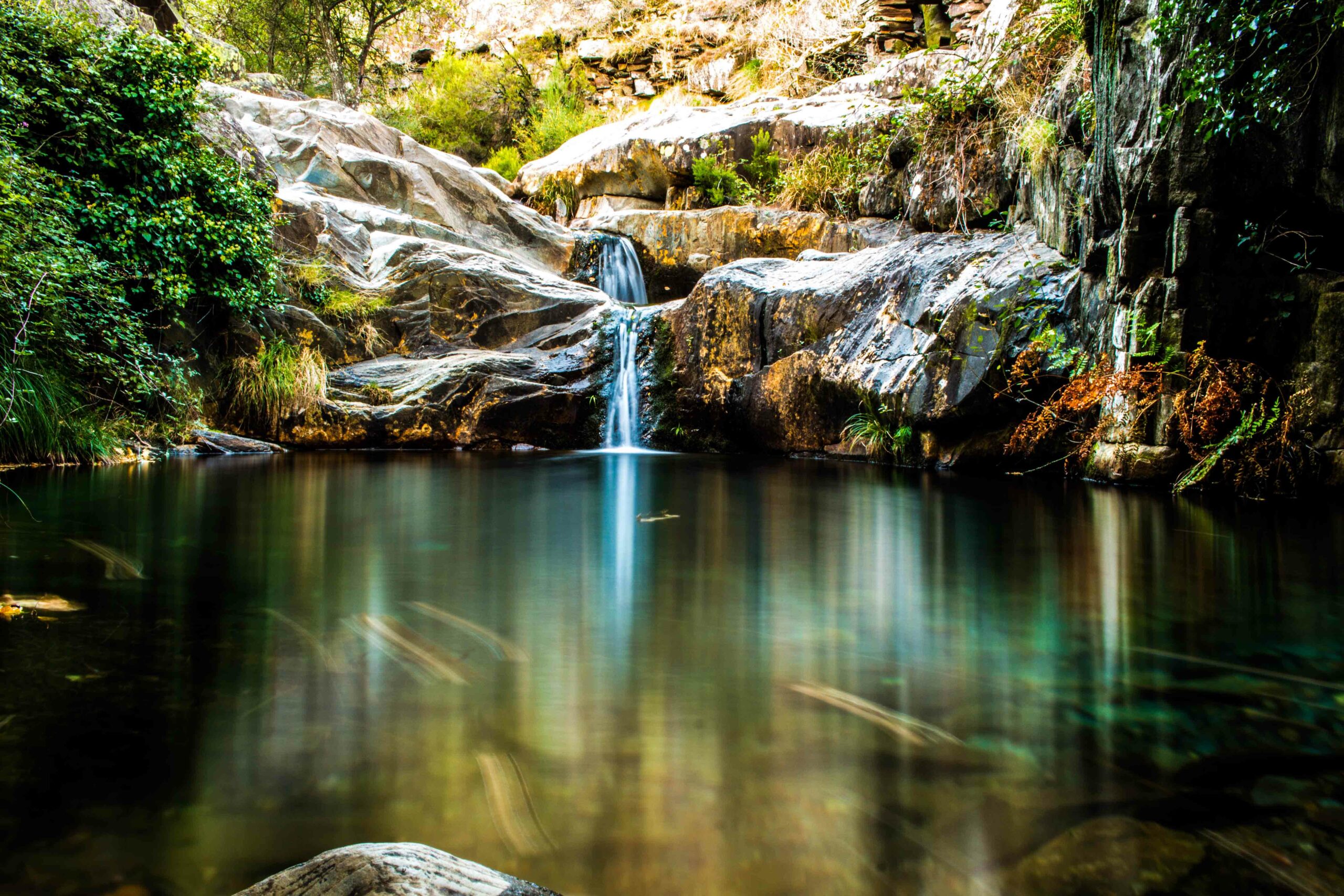
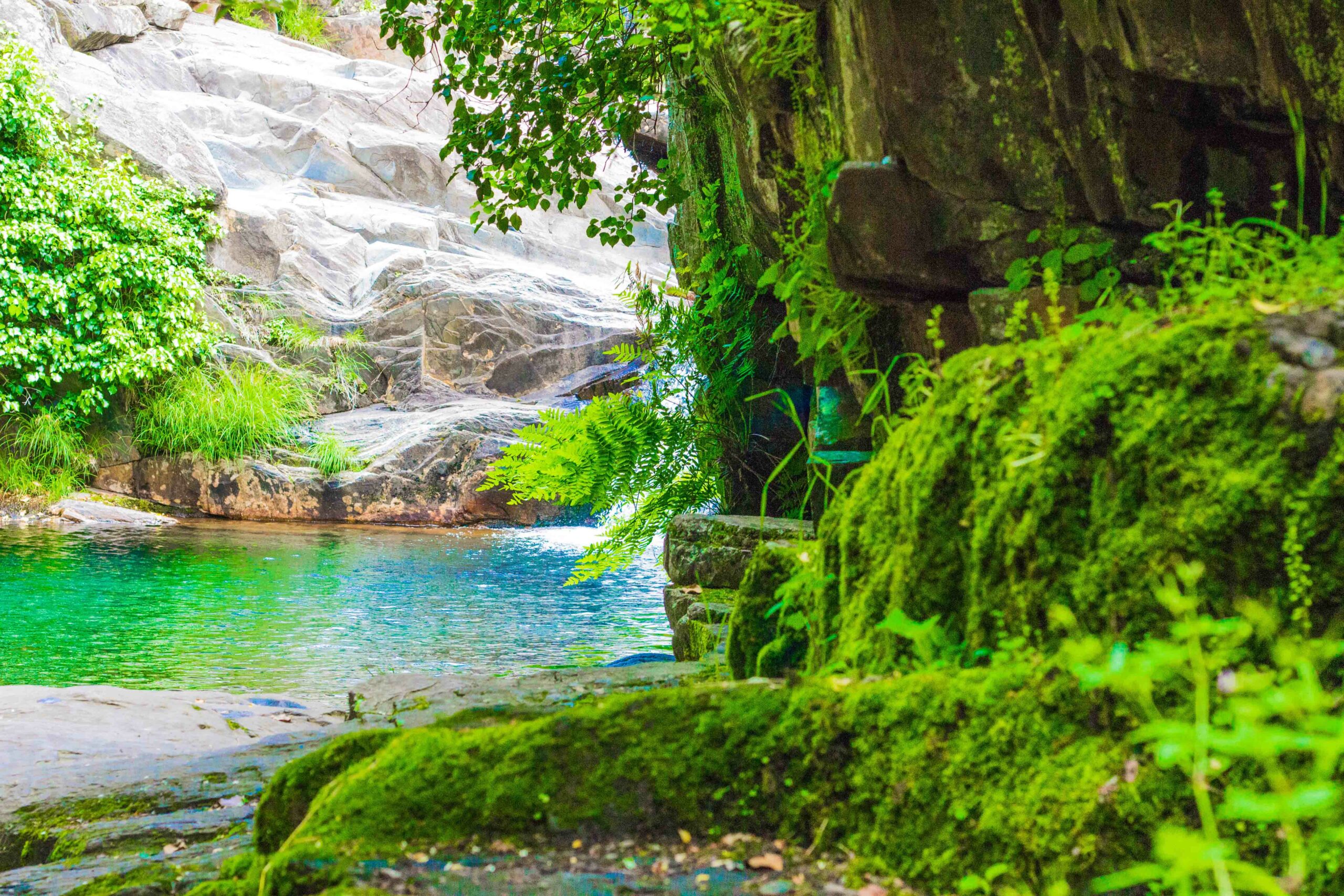
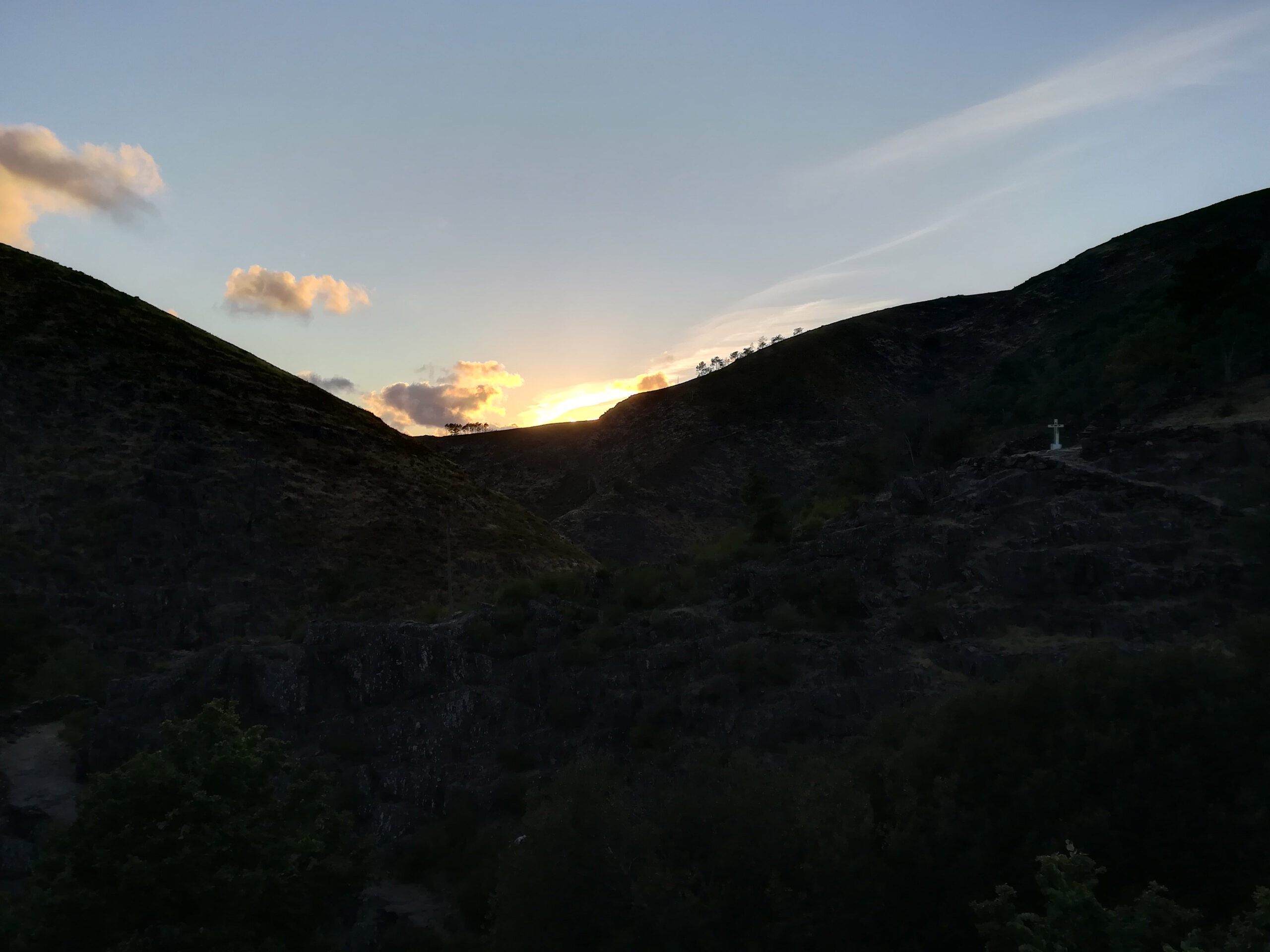
Drave lies at around 600 meters altitude, in an incised valley, surrounded by high mountains that shade it during winter. In the surrounding area, the gentler slopes stand out for terraced agriculture; the steep slopes are covered by a continuous vegetative mantle dominated by low shrub and herbaceous species. In this unique landscape, the land is fertile due to the rivers and streams that descend the slopes. In Drave, the Palhais River runs along the north side, the Ribeirinho and the Bouça stream run along the east and south respectively, converging at the bottom of the settlement to form the Drave River, which flows for 5 km until it meets the Paivó River, one of the tributaries of the Paiva River. In this region, settlement in the valley along the rivers is dispersed and the nuclei are almost deserted.
Covelo de Paivó, Regoufe, and Drave belong to the same parish, with Drave located more than 10 km from the village of Covelo de Paivó.
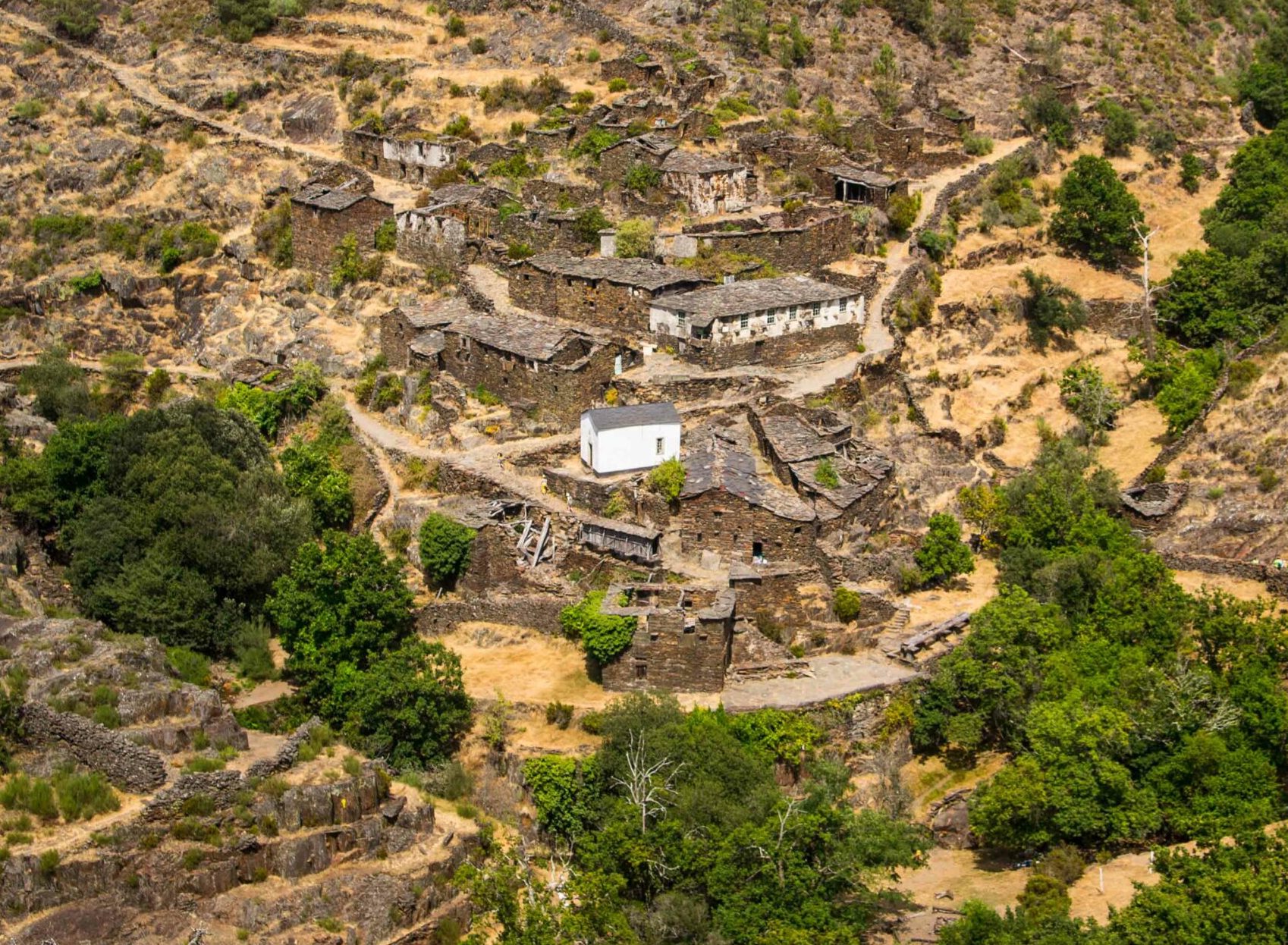
The settlement develops along the slope, forming an organically laid-out ensemble of about twenty buildings. These are set along the circulation axes that skirt the steep hillside, built on small platforms adapted to the terrain.
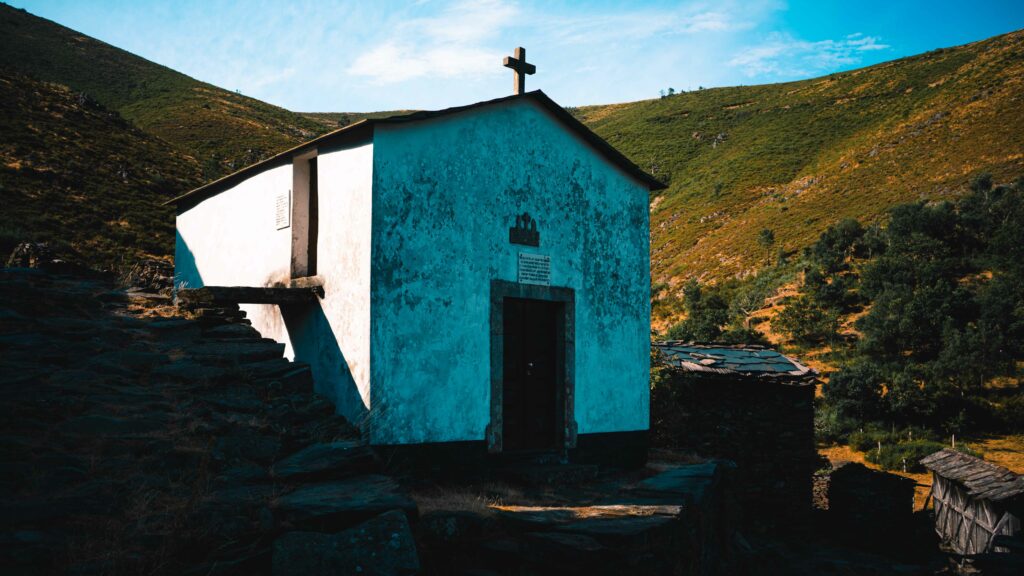
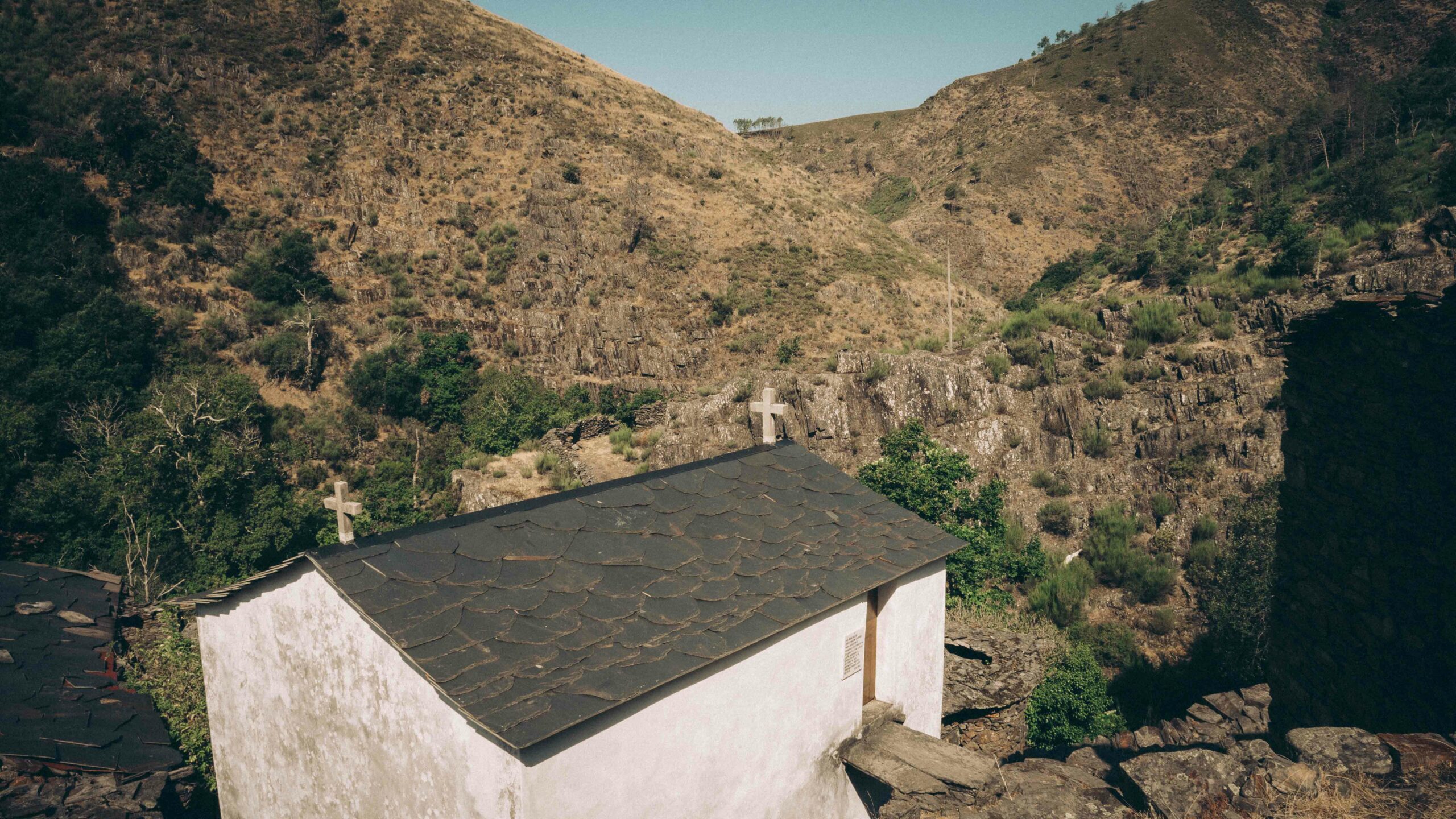
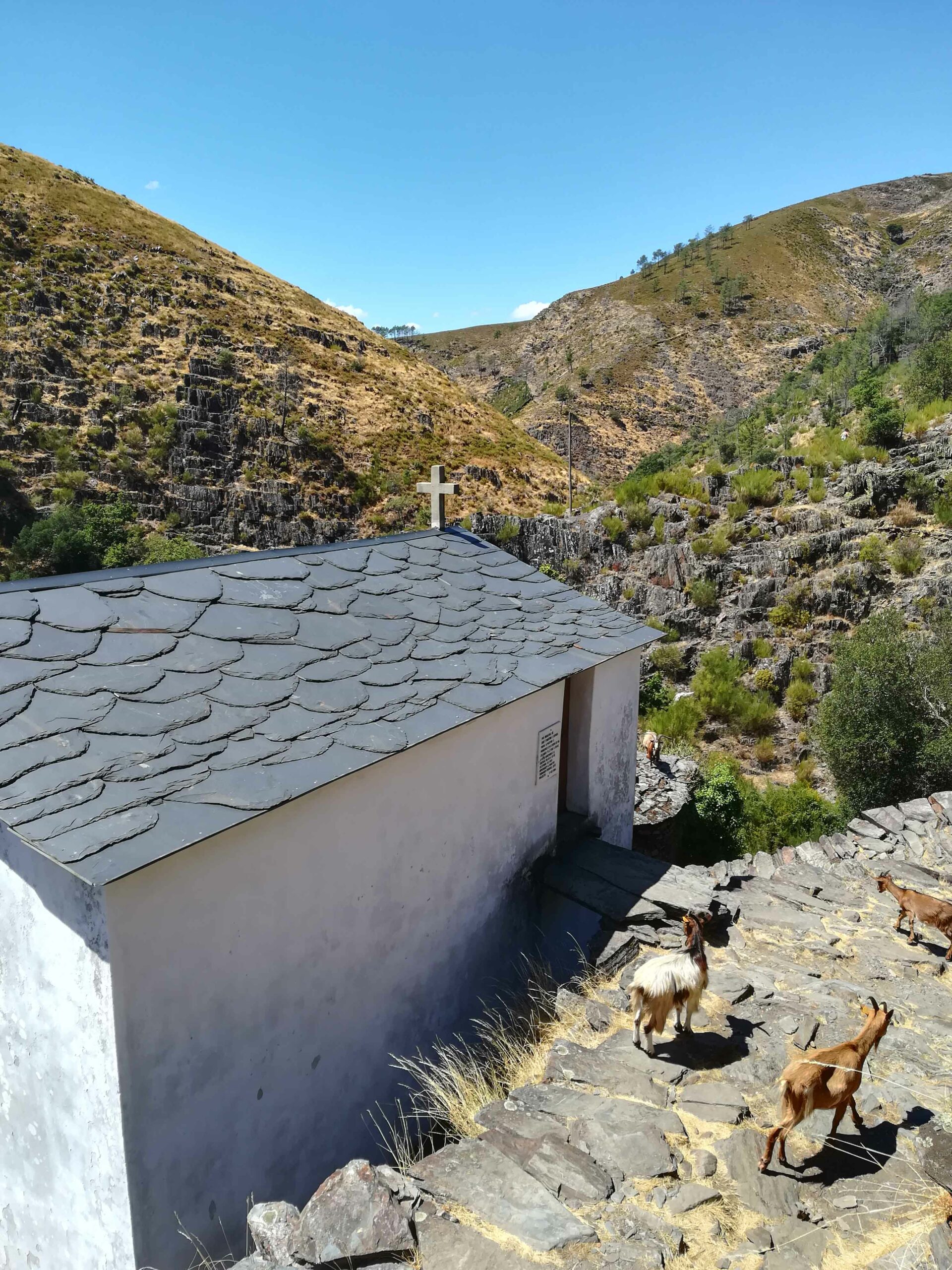
At the village center stands the chapel, rendered in lime, with a roof once covered by ceramic tiles. It contrasts with the remaining buildings, predominantly built in schist. Currently, the chapel roof is also in schist.
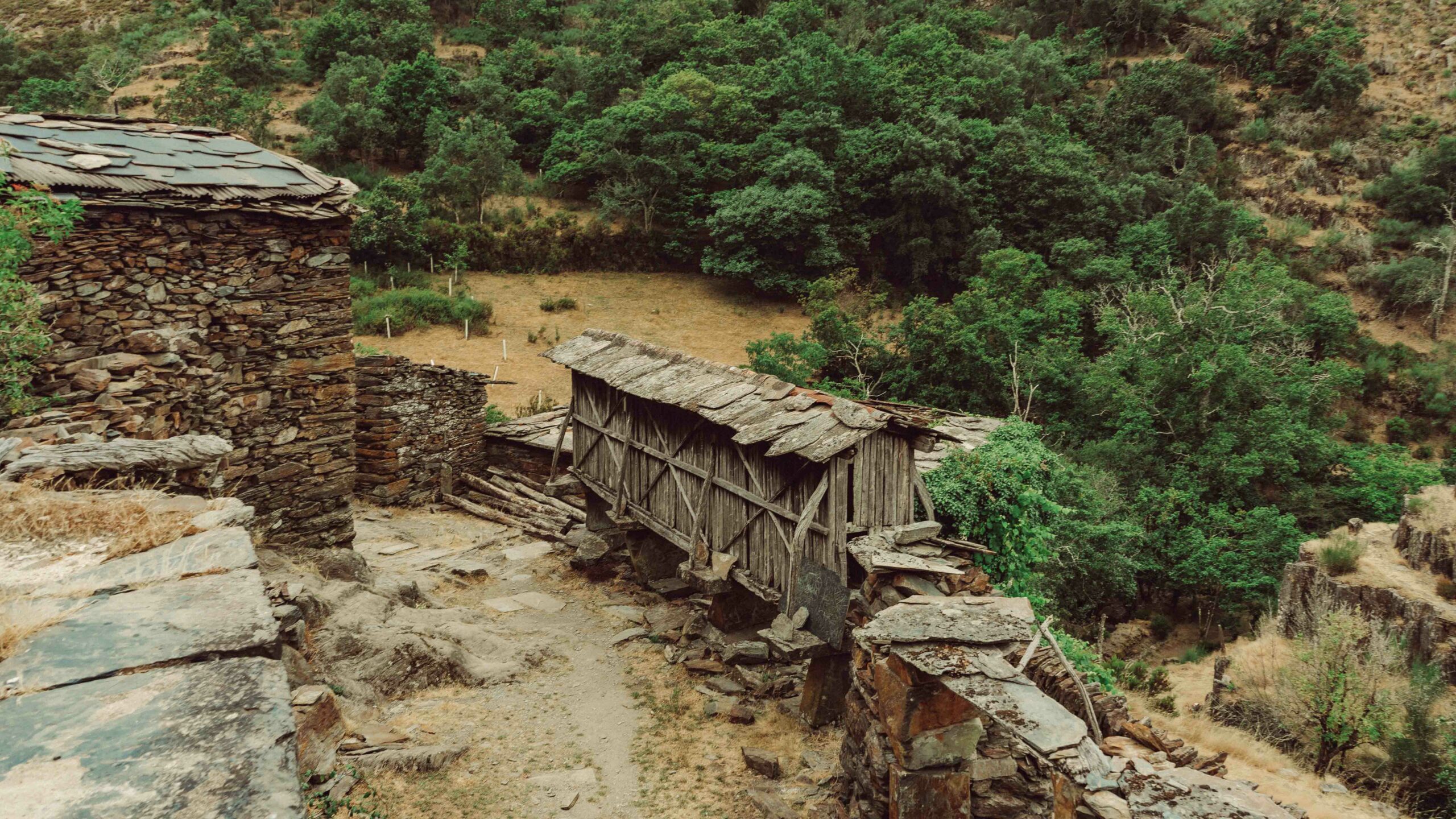
The dwelling houses have several annexes supporting agriculture, such as barns, pens, corncribs, and mills, visually united by schist slab roofs. The so-called Solar da Drave is a house with a balcony and two floors, standing out because the upper floor is rendered in lime, contrasting with the rest of the buildings which, being in schist, blend into the landscape. The two generously sized corncribs served the whole village and were located in the lowest area, at the entrance to the cluster. Today, only one of them remains standing.