Espigueiro

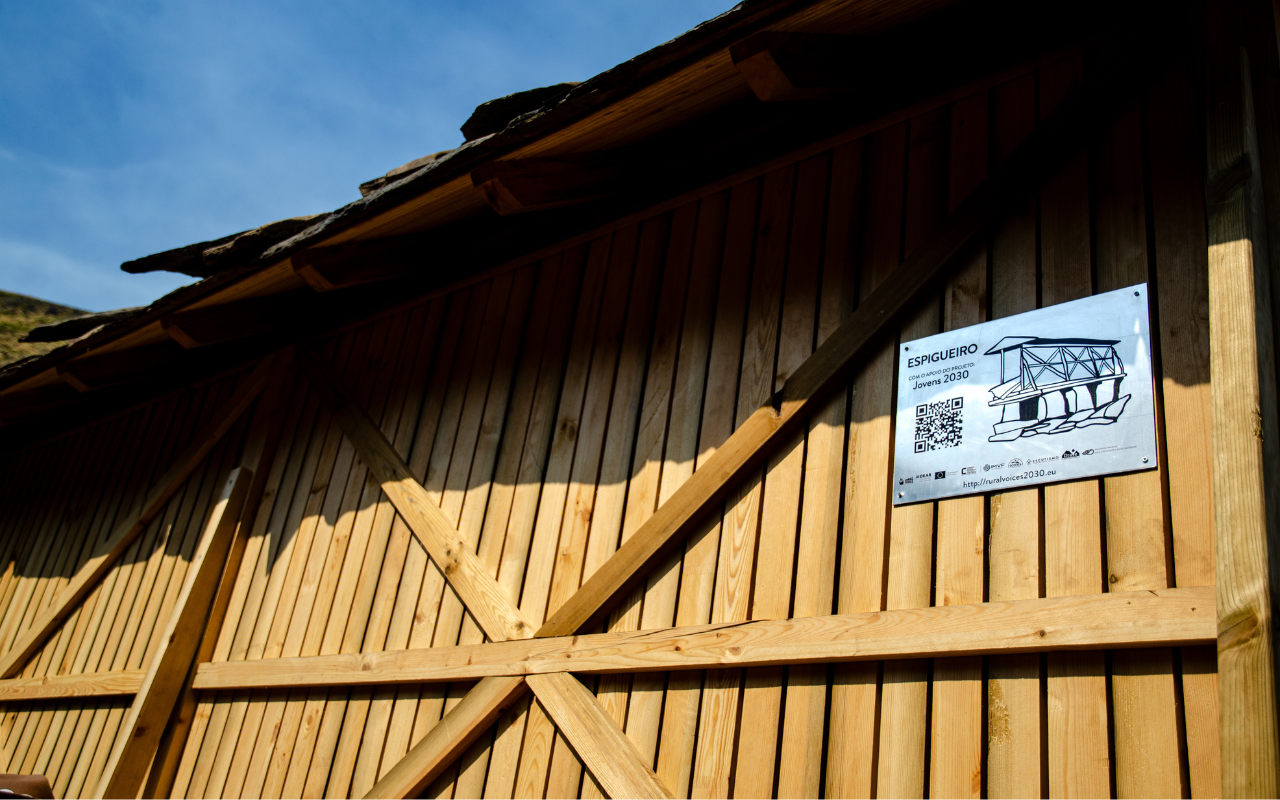
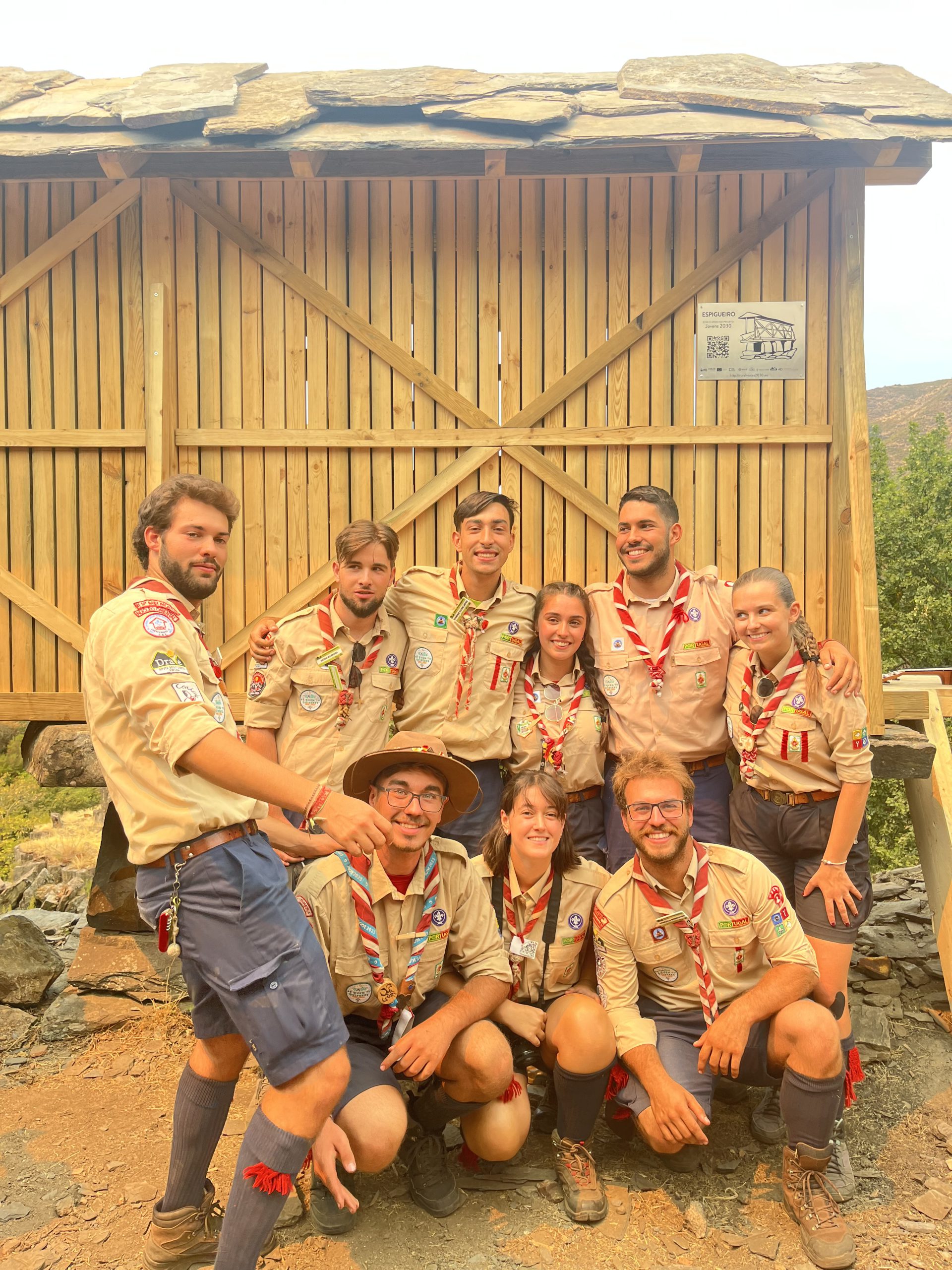
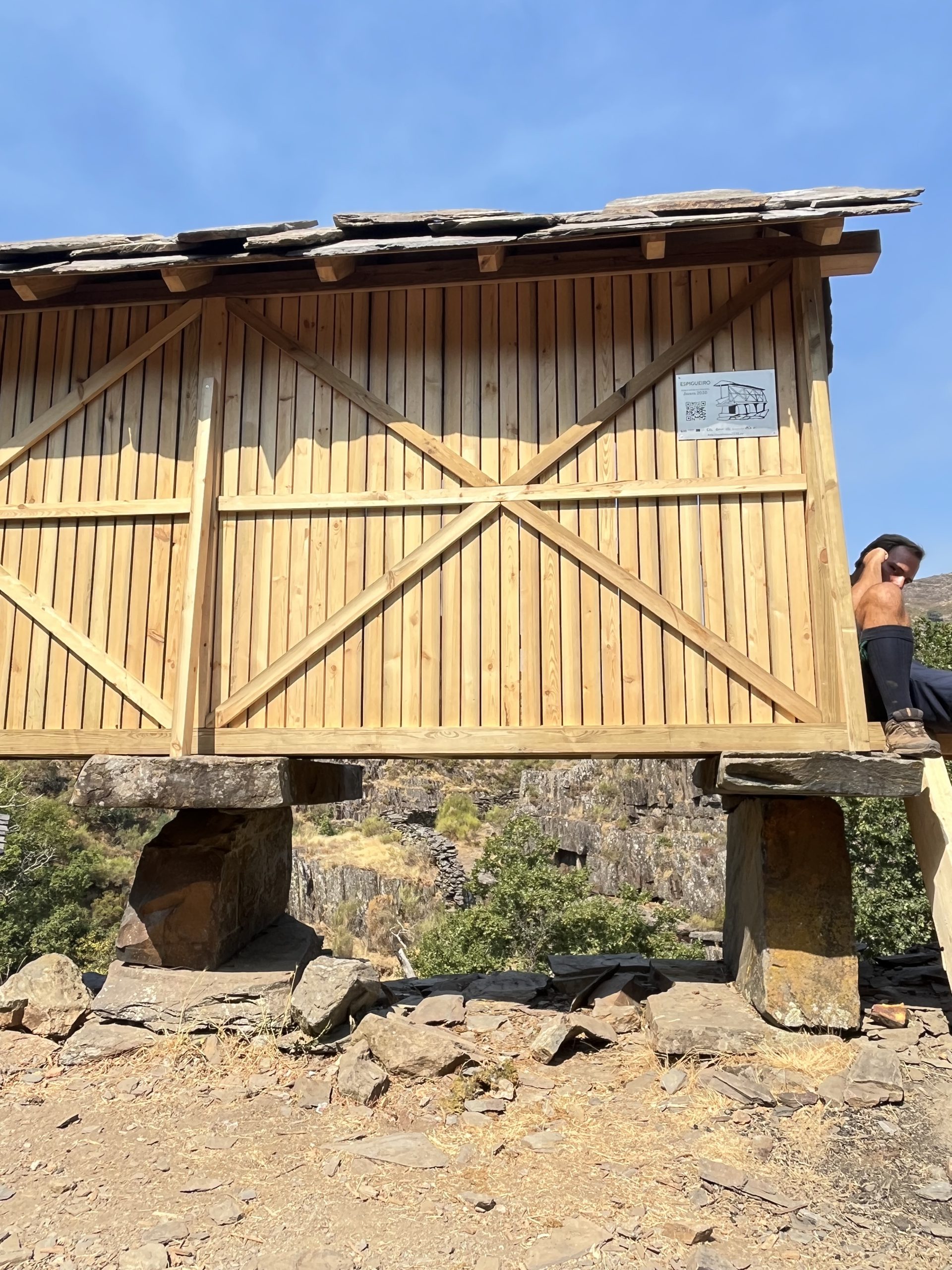
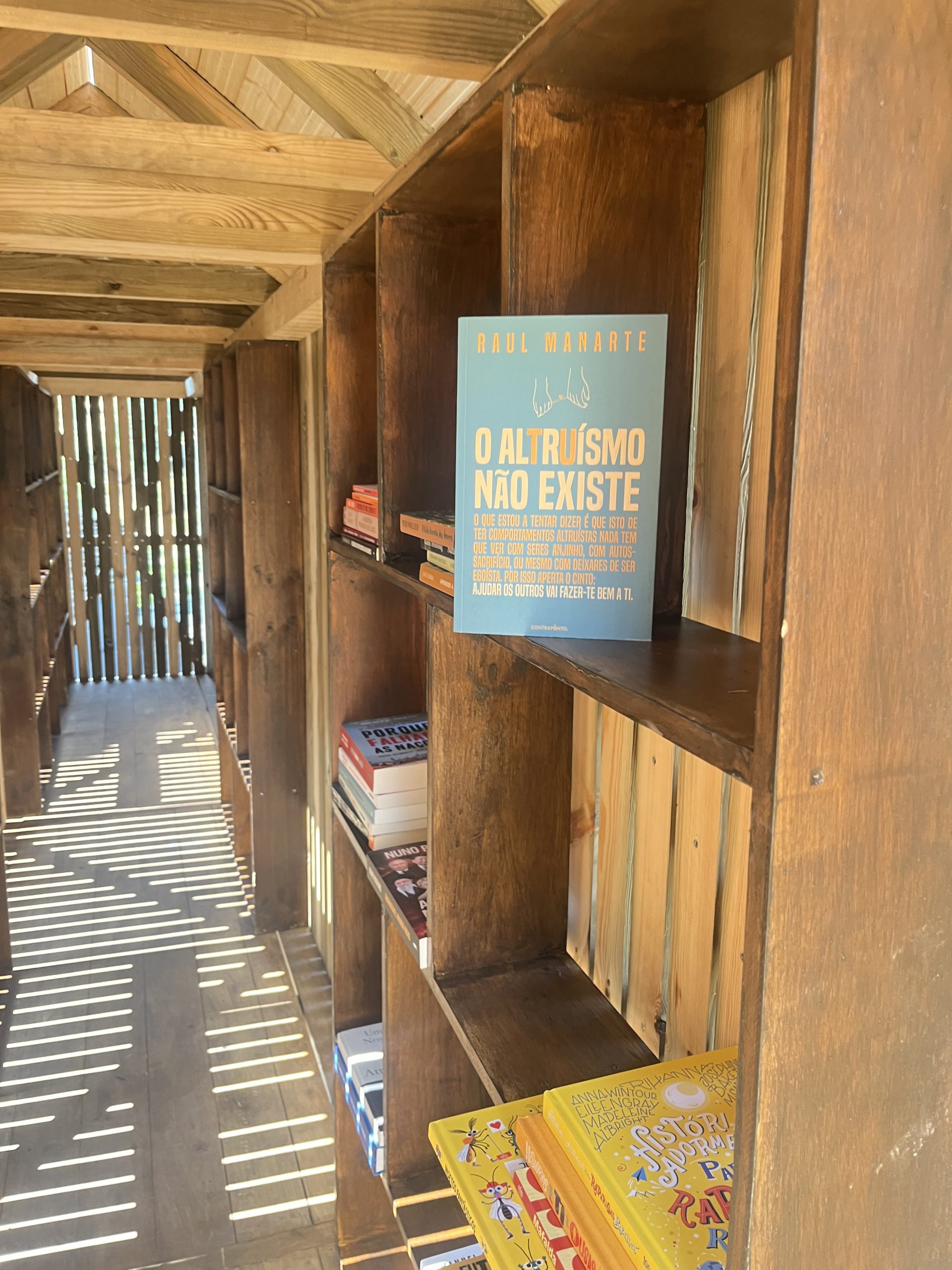
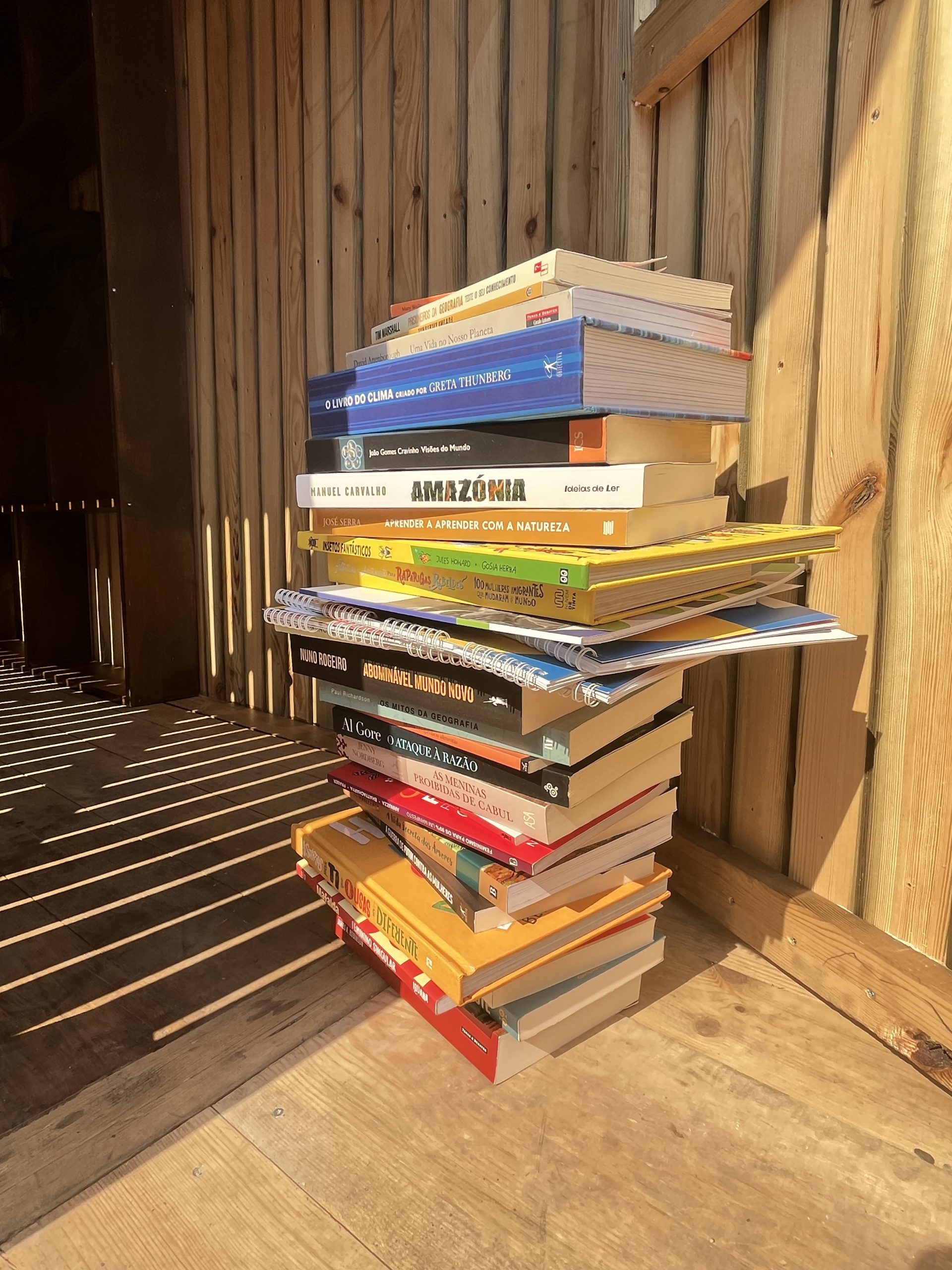
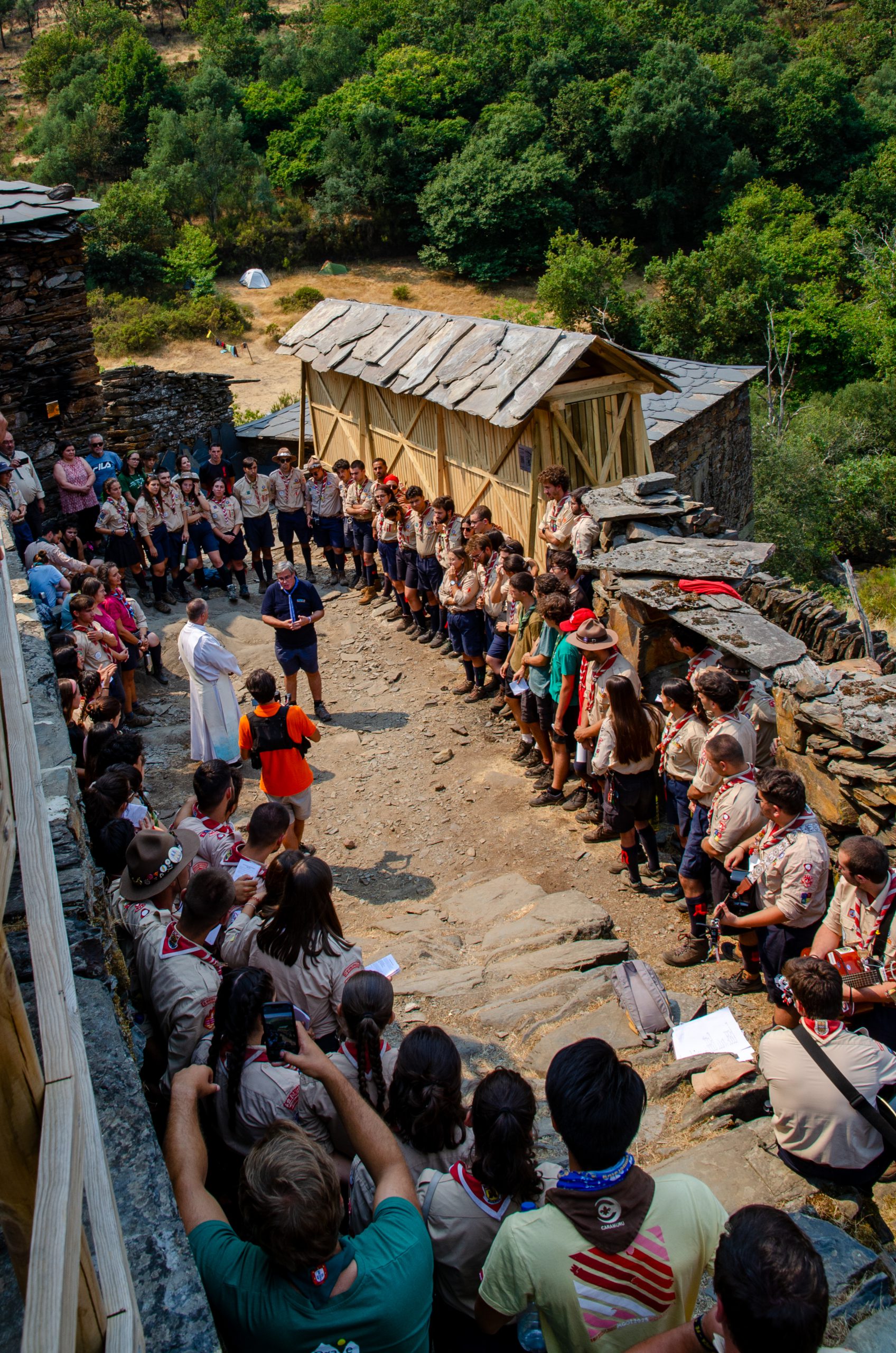
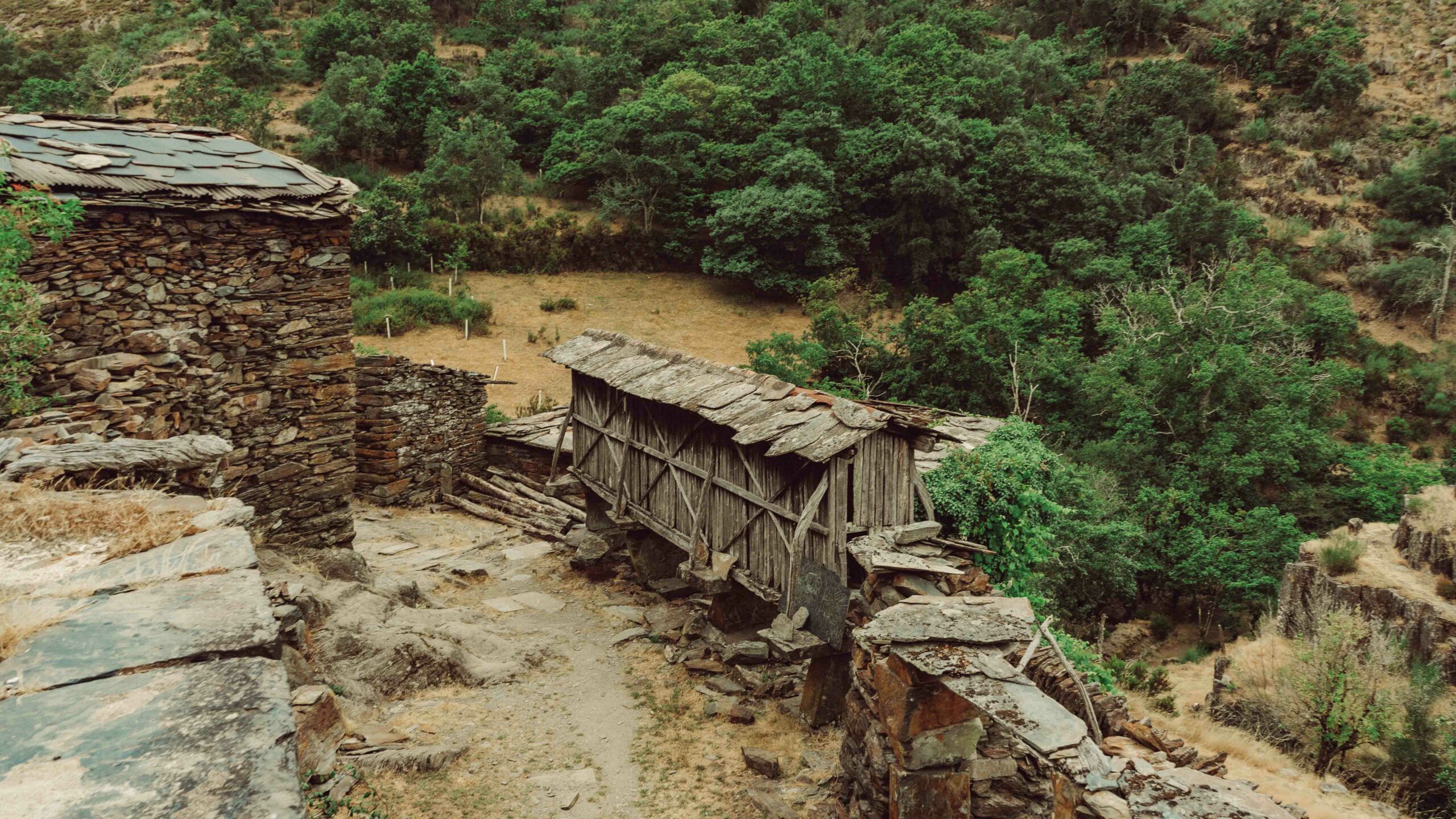
The old granary of Drave, a Scout village located in the heart of the Arouca Geopark, has been given a new life. The village’s last granary was rebuilt and transformed into a Book Exchange Library, offering younger visitors a space for learning about key Global Citizenship themes—one that inspires transformative action to address the major challenges we face today, grounded in social justice, solidarity, and human rights.

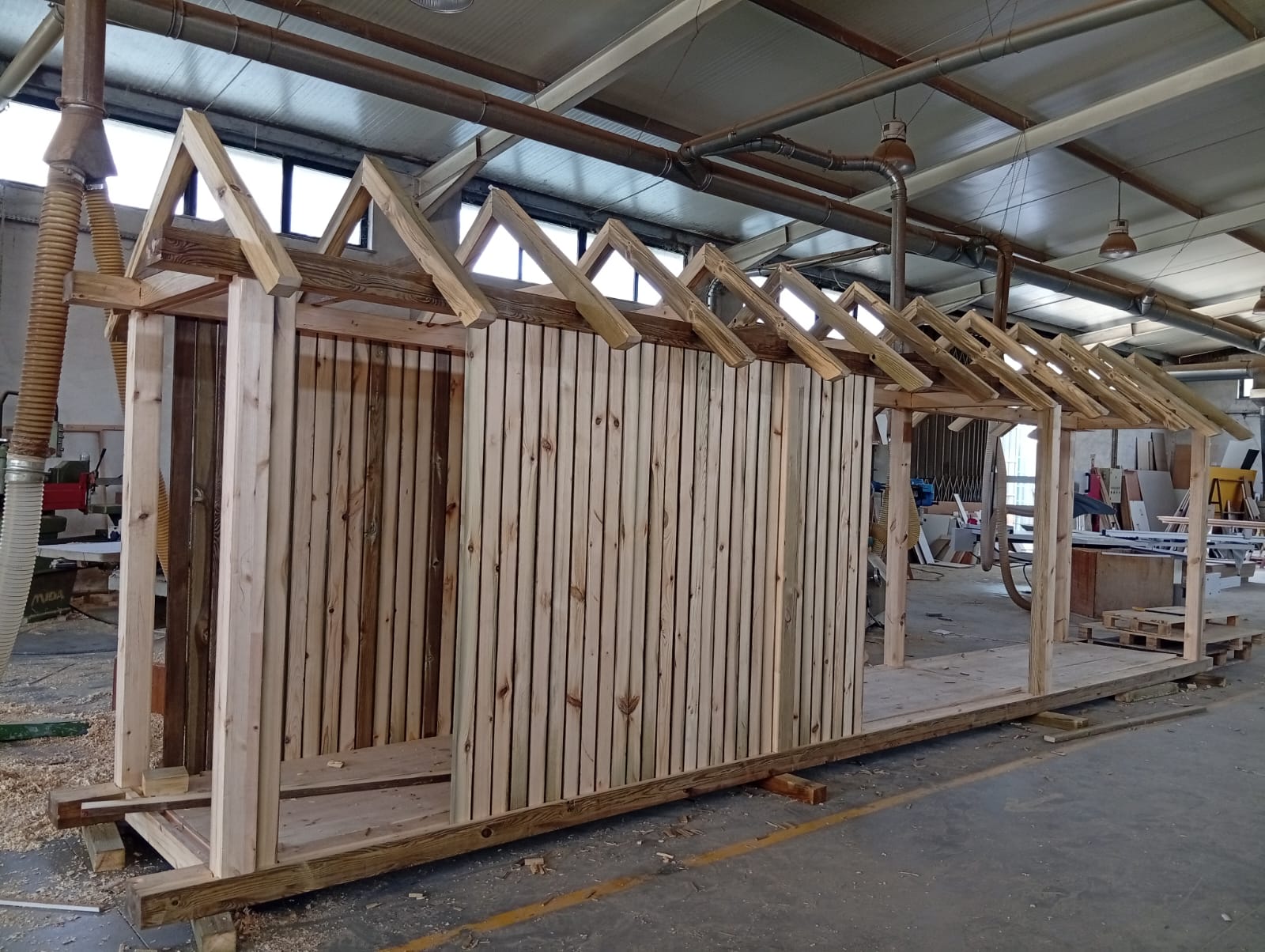
A symbol of Portuguese farming tradition, Drave’s granary was more than a simple corn storehouse: for generations, it has been a place of gatherings and memories for Scouts. Given the deterioration of the structure, it was decided to restore it with technical rigour and respect for its architectural heritage, dismantling, treating, and reinstating each stone and beam. The typical lines of a Minho-style granary were preserved, but the interior was adapted to house wooden shelves that now hold books — turning the space into a place for learning, sharing, and contemplation.


“Before, the granary stored food for the body. Today, it stores food for the mind and spirit. It is a space for sharing, contemplation, and culture—honouring tradition while pointing to the future,” says the Corpo Nacional de Escutas.

Indeed, bringing Education for Development and Global Citizenship to more rural areas is essential to ensure that all young people have access to the tools and values they need to understand, and transform, the world around them. Drave’s granary is a symbol of that mission — a space that brings together tradition, knowledge, and sharing, and that inspires critical, transformative action.

The reconstruction and transformation of this symbol of Portuguese farming tradition were carried out with the support of the Jovens 2030 – Educação para o Desenvolvimento e a Cidadania Global project, implemented in Portugal by the Instituto Marquês de Valle Flôr (IMVF), co-funded by the cofinanciamento da União Europeia and Camões – Instituto da Cooperação e da Língua, I.P., and in partnership with the Corpo Nacional de Escutas (CNE).

Jovens 2030 promotes the inclusion, empowerment, and active participation of young people in rural areas, strengthening their role as agents of change for social and climate justice. Through a range of activities, we will strengthen young people’s capacity to act within their communities, equipping them with the tools and values needed for an active, critical, global, and sustainable citizenship.

Drave
Privacy Overview

This website uses cookies so that we can provide you with the best user experience possible. Cookie information is stored in your browser and performs functions such as recognising you when you return to our website and helping our team to understand which sections of the website you find most interesting and useful.